

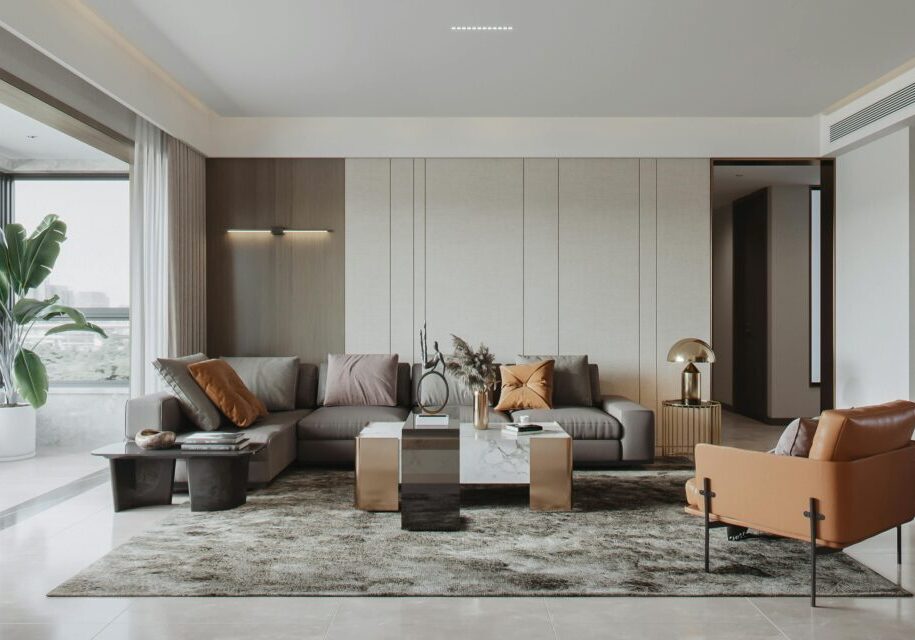
Not every space needs multiple focal points to feel complete. In many cases, one strong design choice can do all the heavy lifting. A bold feature naturally draws attention, sets the mood, and gives the room direction. The rest of the space can remain simple, allowing that one element to stand out and feel intentional rather than overwhelming.
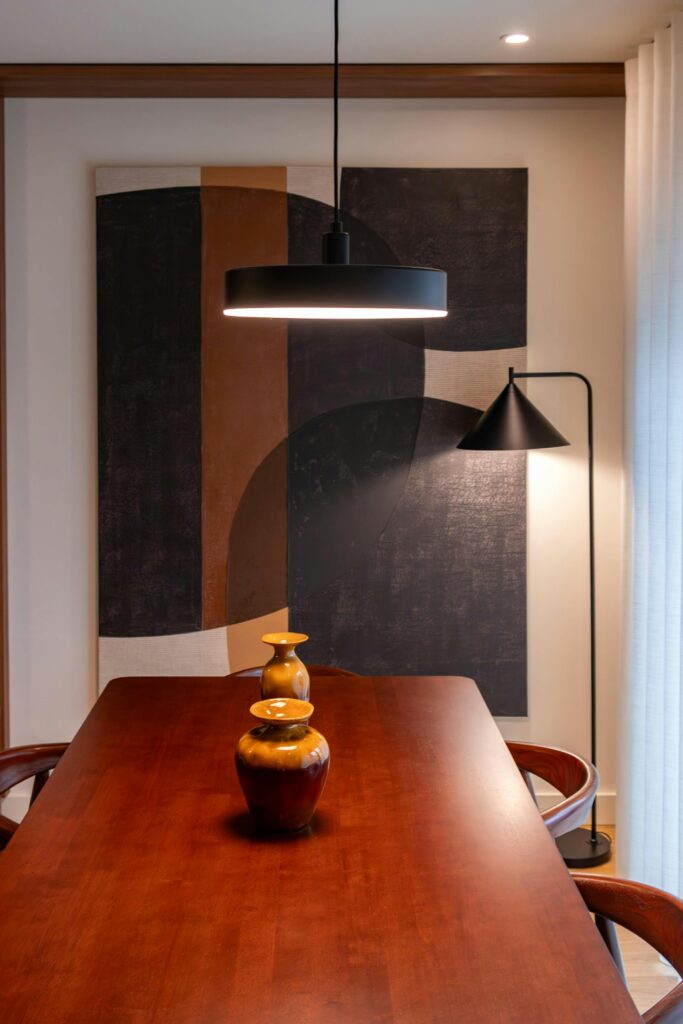
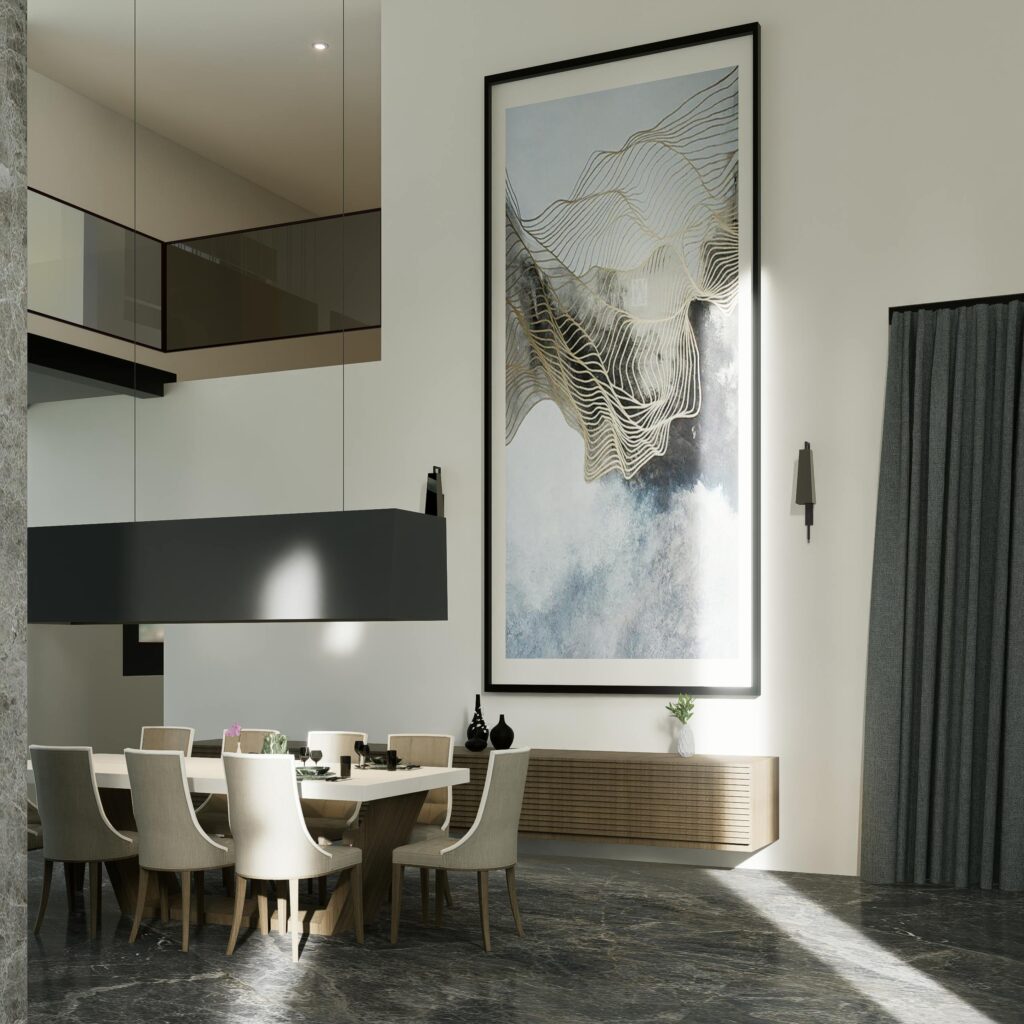
Oversized Art That Sets the Tone
Large-scale artwork instantly draws the eye and gives a room a focal point.
- Fills empty wall space without the need for multiple pieces.
- Creates a curated, gallery-like feel.
- Helps define the color palette for the rest of the room.
- Works especially well above sofas, beds, or dining consoles.
Tip: Go bigger than you think.
A common mistake is choosing art that is too small, which can make the entire wall feel underwhelming. As a general guideline, artwork should span at least two-thirds the width of the furniture below it. Larger pieces create impact and feel more intentional, while smaller pieces can look disconnected unless they are grouped thoughtfully.
Statement Lighting
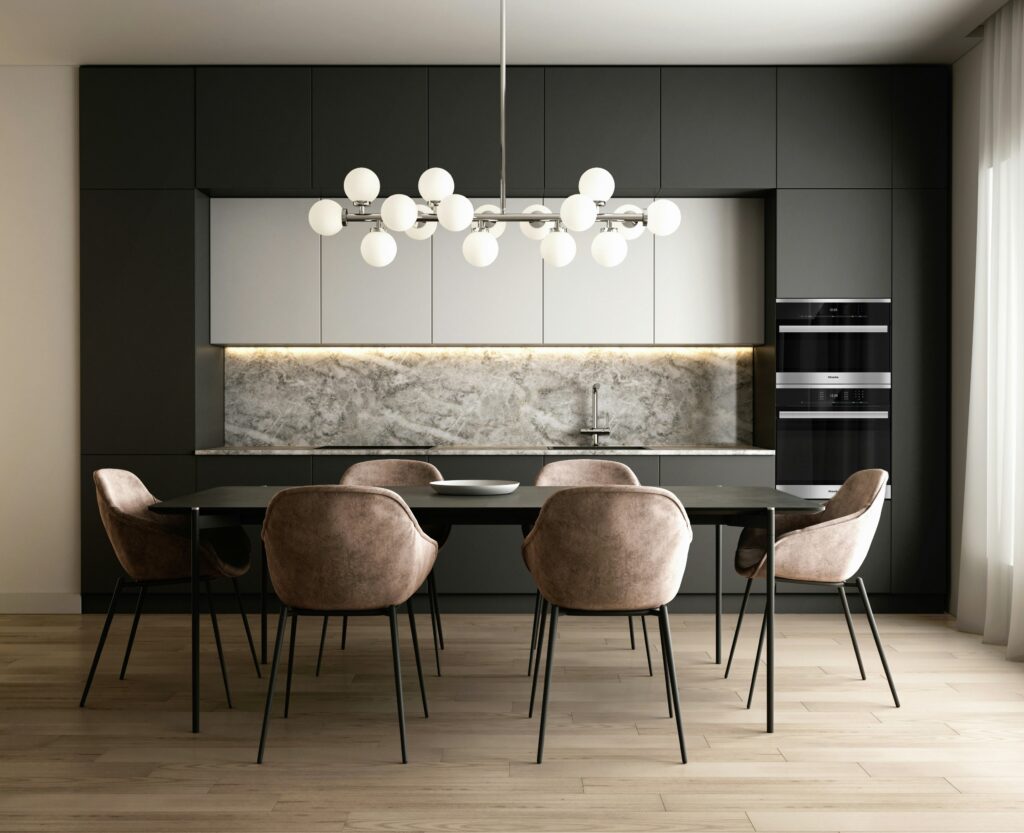
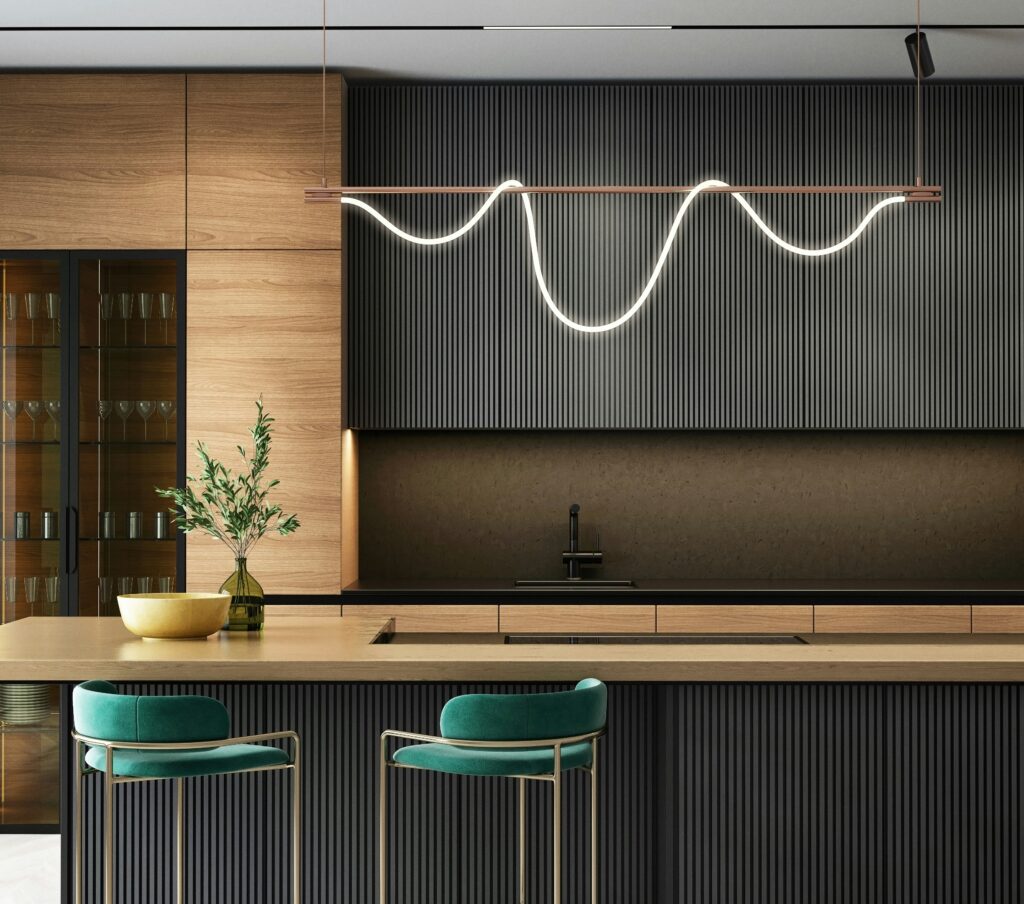
Lighting is not just functional; it can completely transform the mood of a space.
- Acts as a centerpiece in dining rooms, kitchens, or entryways.
- Adds height and dimension to a room.
- Introduces contrast through material or shape, and can act as a sculptural piece.
- Elevates even the simplest spaces.
Tip: Treat lighting like jewelry for the home.
Think of your light fixture as a finishing piece rather than an afterthought. It should stand out and complement the room, not blend in. Consider scale carefully. A fixture that is slightly oversized often feels more custom and high-end. Also, pay attention to placement height so it feels balanced within the space and enhances the overall design.
Dramatic Materials That Add Depth
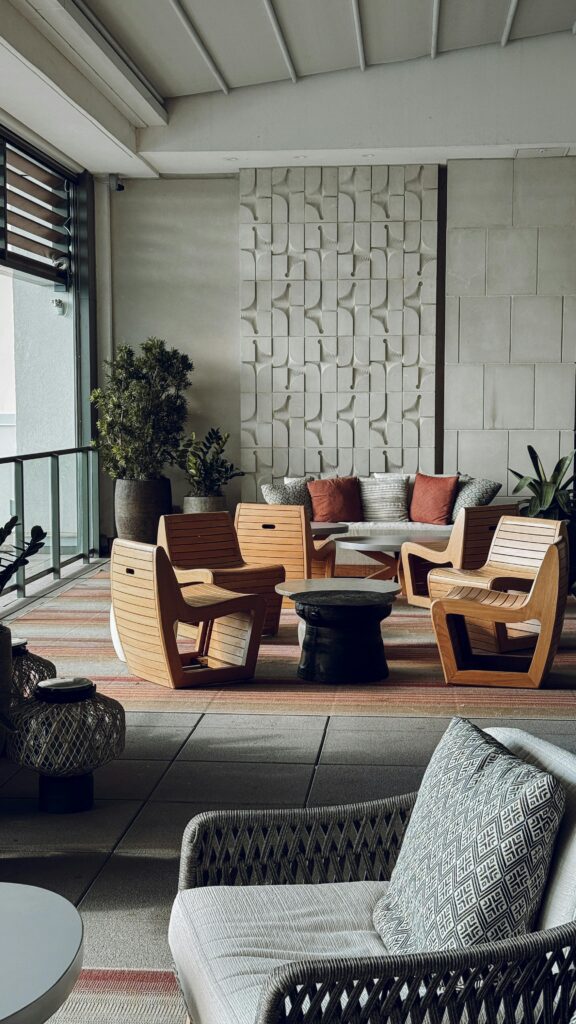
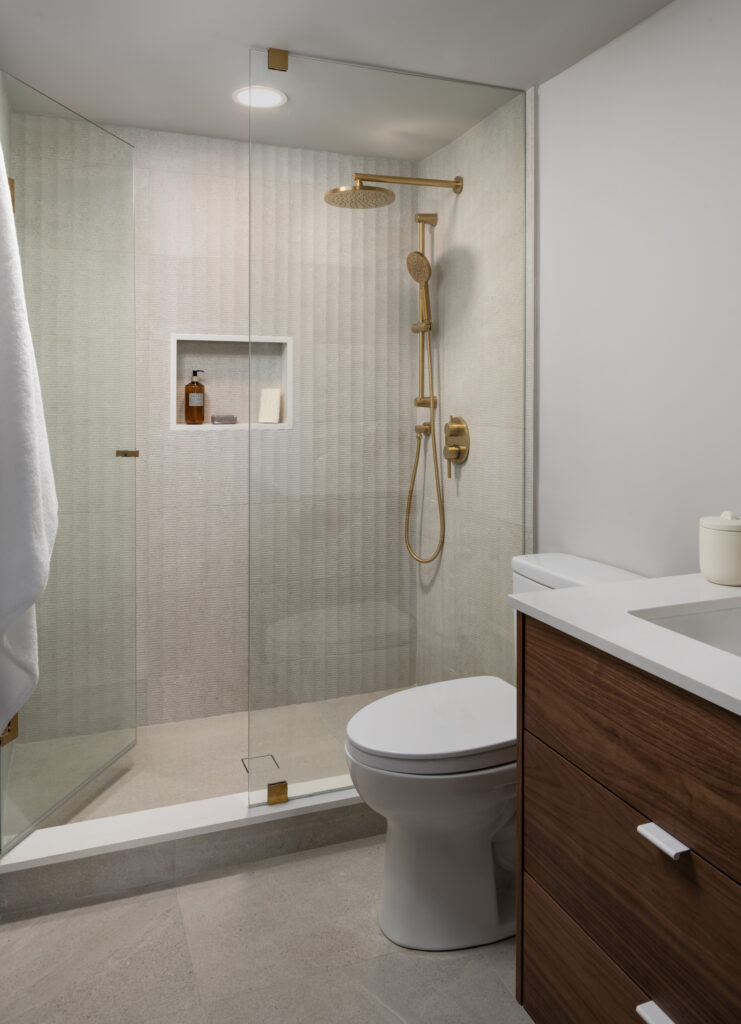
Using a standout material such as stone, tile, or marble can create a luxurious and grounded feel.
- A full-height marble fireplace wall becomes an instant focal point.
- Stone or tile backsplashes can anchor a kitchen.
- Adds texture and natural variation that paint cannot achieve.
- Works well in both modern and traditional spaces.
Tip: Let the material speak for itself.
When working with a bold material, restraint is key. Avoid layering too many competing finishes nearby. For example, if you have a dramatic marble with strong veining, keep surrounding cabinetry, hardware, and decor more understated. This allows the natural beauty of the material to stand out rather than feel visually overwhelming.
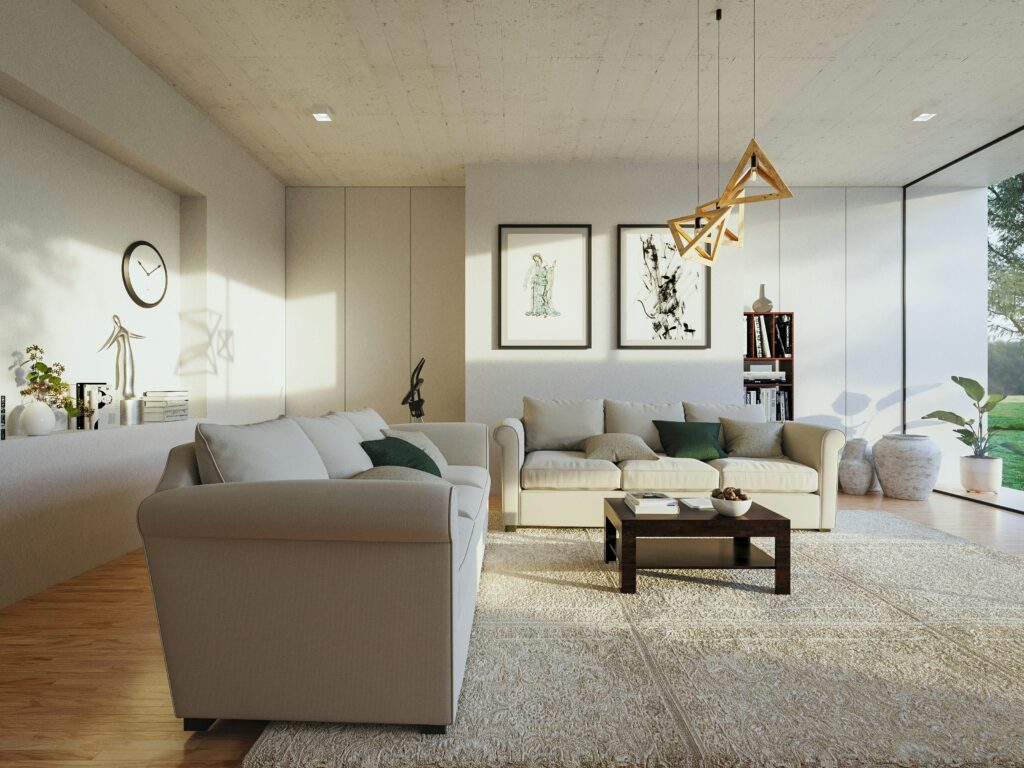
An Oversized Rug That Grounds the Room
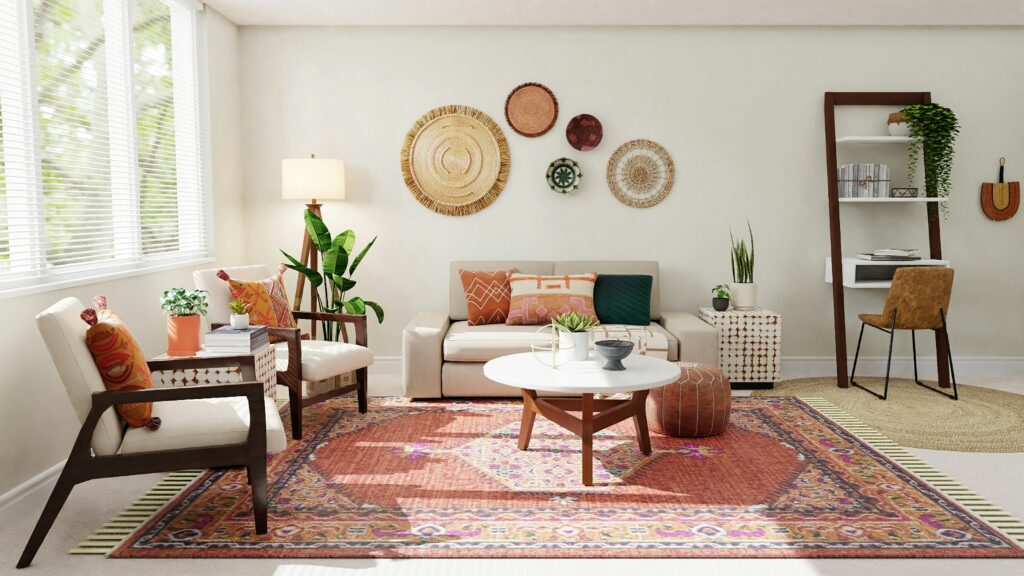
A large rug can unify furniture and make a space feel intentional and complete.
- Defines seating areas, especially in open concept layouts
- Makes the room feel larger and more cohesive
- Adds softness and warmth underfoot
- Allows furniture to sit comfortably within the space
Tip: When in doubt, size up.
A rug that is too small can make furniture feel like it is floating and disconnected. Ideally, at least the front legs of all major furniture pieces should sit on the rug. In larger rooms, aim to have all furniture fully on the rug. Choosing a larger size helps anchor the space and instantly makes the room feel more polished and complete.
Wallpaper That Transforms the Space
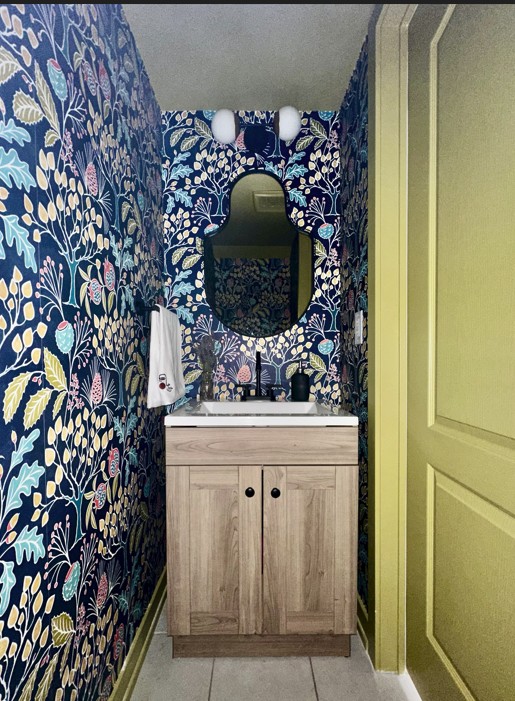
Wallpaper has the ability to completely change the look and feel of a room through pattern, color, and texture.
- Creates impact in smaller spaces like powder rooms or offices
- Adds depth and personality to bedrooms or feature walls
- Highlights architectural details or built-ins
- Works beautifully when used on all four walls for a bold effect
Tip: If you commit to wallpaper, embrace it fully.
Wallpaper has the most impact when it feels intentional and immersive. Instead of limiting it to a small accent, consider using it in the entire room or using it in a way that highlights key features like shelving or alcoves. Pair it with simple furnishings and finishes so the pattern remains the focal point rather than competing with other elements.
The Takeaway
A thoughtfully designed room does not rely on excess. By focusing on one bold element, you create a space that feels clear, balanced, and elevated. Whether it is art, lighting, material, a rug, or wallpaper, letting one feature lead allows the entire room to come together with ease.